Your next phone call might not come from a customer at all. It might come from your customer's AI agent — patient, polite, happy to sit on hold for twenty minutes, and ready to book.
KEY POINTS
- Meta's AI agent Muse can now place phone calls to US businesses for all paid subscribers, after a limited test that began in September.
- The calls target exactly the businesses that still run on phone bookings — restaurants, salons, clinics, insurers and local services.
- Owners should prepare now: brief staff on agent-made calls, verify caller details, and review booking policies before such calls become routine.

That is no longer a prediction. Meta's consumer AI agent, Muse, can now place outgoing calls to businesses in the United States on behalf of its users. For restaurants without online reservations, salons and clinics that still book by phone, insurers and every local service that runs on a ringing phone, this changes who — or what — is on the other end of the line. This article is about what that means for businesses receiving those calls, and what owners should do before agent-made calls become routine.
What actually launched
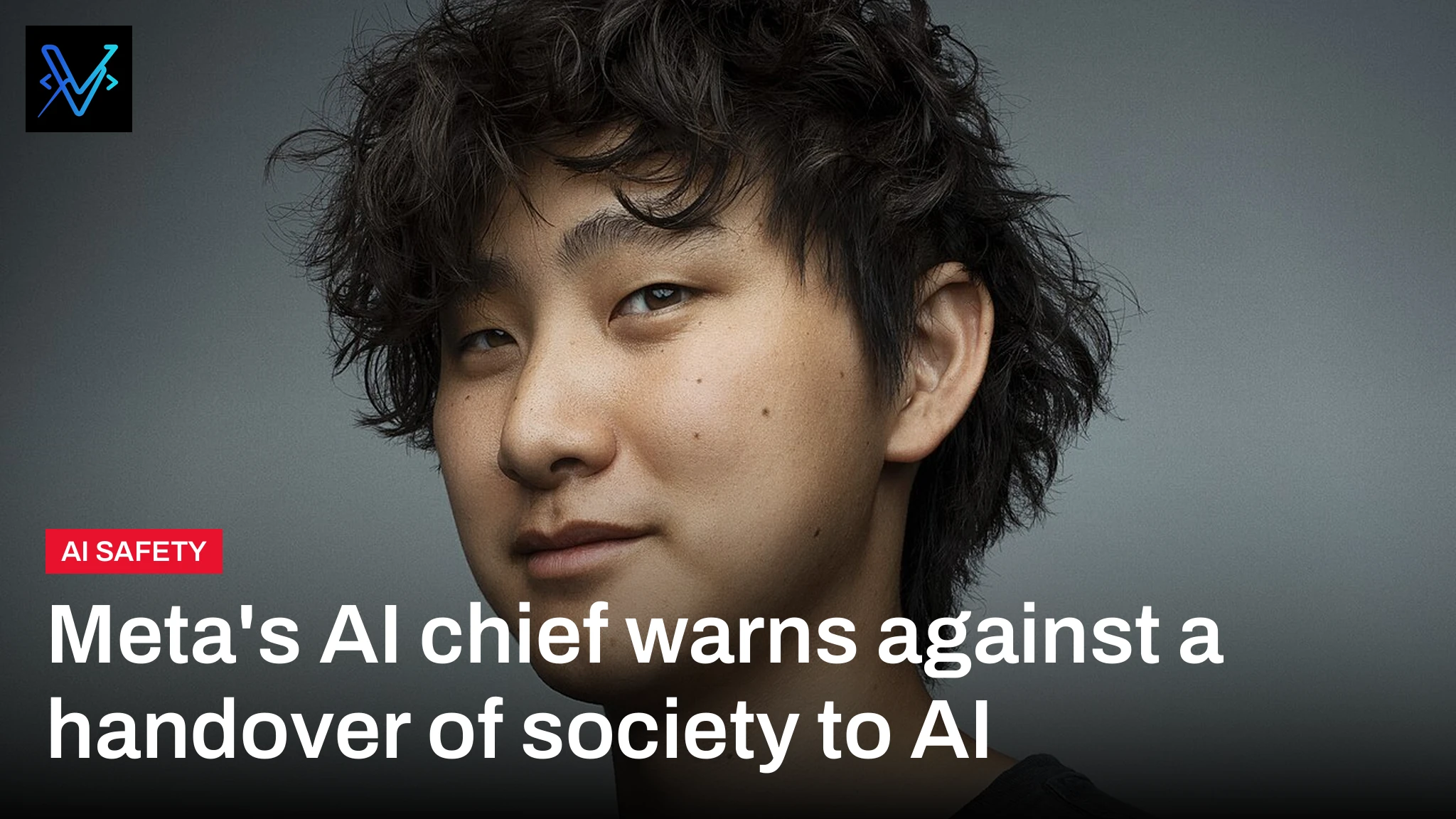
TechCrunch reported on 12 November 2026 that Muse calling has opened to all paid Muse subscribers in the US, after a limited test that began in September. The announcement came from Alexandr Wang, Meta's chief AI officer and head of its Superintelligence Labs, in a post on X the same day.
Wang's examples: a cable company, the DMV, insurance providers, and a restaurant that does not offer online reservations — the calls people dislike making.
Meta says Muse has more than 10 million users, a company figure reported last month. Calling is not free: per TechCrunch, the Power plan costs $20 per month for 500 million Muse tokens per week, and the Maximum plan $100 per month for 3 billion tokens per week. Free users do not get calling for now, although Wang said a Muse email address feature will roll out to them soon.
Meta is not alone: TechCrunch notes that Google's Gemini and a startup called Instinct already offer similar calling.
How it works — and what is still unclear
What is confirmed:
- Muse calls businesses only — not friends or family — and only in the US, using publicly listed numbers, based on Meta's help material.
- It cannot receive calls. This is an outbound tool, not a phone line for the agent.
- The user gives the instruction — book a table, ask about hours, chase a provider — and after the call gets a transcript and summary, per reporting.
What Meta has not explained yet:
Meta has published little detail on how these calls appear to the business receiving them: no clear public information yet on caller ID, how the agent identifies itself, or whether per-user call limits exist. These open questions matter — disclosure will shape how staff respond, how regulators view the practice, and how much customers trust it.
There is also early friction: TechCrunch reported that some businesses and receptionists hang up once they realise the caller is an AI agent. No success-rate figures have been published, so treat claims about how well agent calling "works" today with caution.
Why this matters beyond the novelty
First, the phone call is being automated from the customer side. Businesses have spent years hearing about AI answering their phones. This is the reverse. A business can choose its own tools; it cannot choose what its customers use.
Second, agents do not behave like people. A human caller gives up after ten minutes on hold and forgets half their questions. An agent follows instructions, waits, and reports back with a transcript — raising the standard for information given out by phone, because it will be captured and compared.
Third, booking behaviour will split. Agent users will expect phone bookings to be as reliable as online bookings; everyone else will still expect a human to answer quickly. Businesses must serve both, on the same phone line.
The phone is now a second front door
Most service businesses treat their website as the front door and the phone as the back-up. Agent calling blurs that line.
If your website, listings and booking information are clear and current, an agent can complete a task easily — or arrive at the call already knowing your hours, services and prices. If it is missing or inconsistent, the agent will surface the confusion and record the answer it gets.
Clear pages and consistent details are therefore no longer just "good marketing" — they are the source material both humans and agents judge you by. Owners reviewing how customers find them should also revisit their paid visibility: see our guide to Meta Ads performance marketing, and, for restaurants, our breakdown of Meta Ads for restaurants turning interest into booked covers.
A practical checklist for business owners
You do not need to buy anything new this week — just make your business easy for both a person and an agent to deal with.
- Answer like the call is being summarised — because it may be. Give clear answers: hours, price ranges, booking rules, cancellation terms. Vague answers become inaccurate transcripts.
- Put the top five phone questions on your website. Hours, booking lead time, prices, location and parking, and what to bring — findable in ten seconds.
- Offer an online booking path if you run on appointments. Agents are being sent first to businesses that lack one, starting with restaurants without online reservations.
- Decide your house rule for agent calls now. Will staff complete a booking with an AI caller, and who confirms it? A calm policy beats a surprised hang-up — which may also mean hanging up on the customer who sent the agent.
- Keep your listings identical to your website. Hours, phone number, services and holiday closures must match everywhere; an agent comparing sources will trust the consistent business.
- Confirm every phone booking in writing. A text or email confirmation protects the customer and your diary, whoever or whatever placed the call.
- Track it. For one month, note whether anyone mentions an assistant booked for them.
Related reading: an AI receptionist for businesses — the answering side of this same change.
What to watch next
Three things will decide how fast this becomes normal. First, disclosure: whether Meta publishes clear rules on caller identification. Second, expansion: calling is US-only and paid-only today; any move to free tiers or to the UK, Canada and Australia would multiply agent-call volume quickly. Third, business response: if major chains publish "agent-friendly" booking routes, independent businesses will feel pressure to follow. With Gemini and Instinct already offering similar calling, no single company controls the pace — and delegating tedious calls to an agent is a behaviour unlikely to reverse.
Conclusion
Muse calling businesses is a modest feature with an outsized message: the customer side of the phone call is now automatable. Restaurants, salons, clinics, insurers and local services do not need to panic, or buy an AI product this month. They need clear information, a reliable booking path, and staff who know what to do when the caller introduces itself as an agent.
Businesses that handle this well will barely notice the change. Those with out-of-date websites, inconsistent listings and phone-only booking will feel it first.
Looking to grow your business online? Explore Vertex Agency at vertexagency.in for professional website development, Meta Ads and social media growth.
Sources
- TechCrunch, 12 November 2026 — "Muse can now place calls to U.S. businesses — if you pay": https://techcrunch.com/2026/11/12/muse-can-now-place-calls-to-u-s-businesses-if-you-pay/
Prefer the 60-second visual version? Watch our Web Story: Google Search Just Got a New Brain — What It Means for Your Business